
 ✓ Verified
Milena, 27
Sofia, Bulgaria
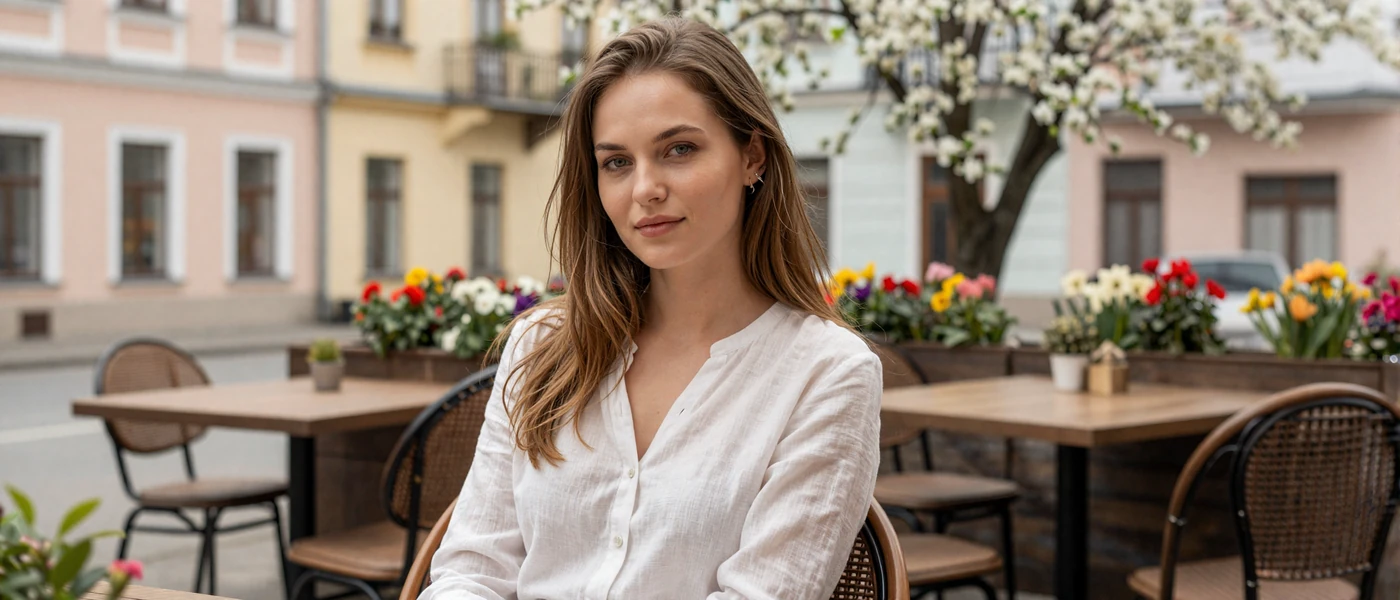
It's not just genetics. The real secret lies in centuries-old traditions, a clean diet, and a philosophy that less is always more.
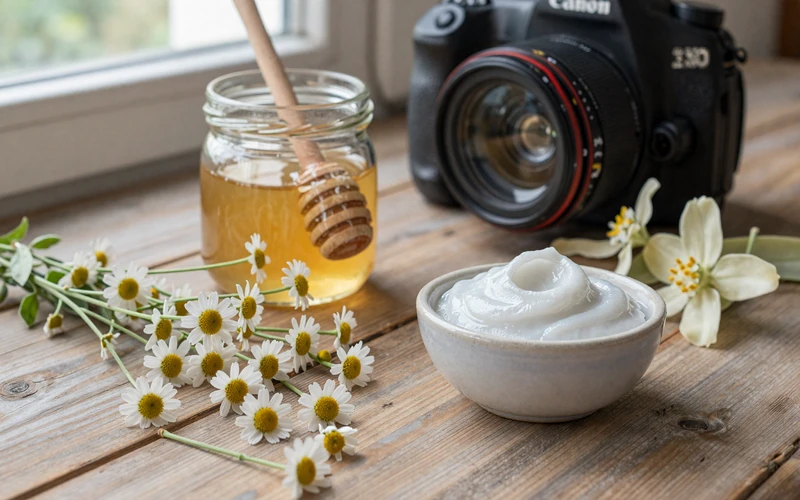
Slavic women beauty starts with a skincare philosophy rooted in nature, not a pharmacy shelf. For centuries, women across Eastern Europe have relied on homemade remedies - chamomile-infused toners, raw honey face masks, linden flower compresses, and birch sap rinses - to maintain clear, luminous skin. A 2025 survey by the European Dermatology Forum found that 62% of Eastern European women use at least one natural ingredient in their daily skincare routine, compared to just 23% of their Western European counterparts. This isn't a trend - it's a tradition embedded in daily life.
The Russian and Ukrainian banya (traditional steam bath) is a cornerstone of Slavic beauty culture. Regular banya sessions open pores, flush toxins through deep sweating, and improve blood circulation - effects that dermatologists now recognize as comparable to professional facial treatments. According to a 2024 study published in the Journal of Cosmetic Dermatology, consistent steam-bath use over 12 weeks reduced visible pore size by 18% and improved skin elasticity markers by 12%. Women on Slavic dating platforms often mention banya visits as part of their weekly self-care routine - it's as ordinary as a morning coffee.
Ask any Ukrainian or Belarusian grandmother about her beauty secret, and she'll likely mention cold water. Finishing a face wash with cold water - or even splashing ice water on the skin - constricts blood vessels, reduces puffiness, and tightens pores instantly. Modern cryotherapy clinics charge $75-$150 per session for essentially the same principle. Slavic women have been doing it for free for centuries.
"Beauty in Slavic culture was never about products - it was about rituals. The consistency of daily care, not the price of the cream, is what makes the difference."
- Dr. Olena Kovalenko, Dermatologist, Kyiv Institute of Aesthetic Medicine
Slavic women characteristics that Westerners often attribute to genetics - the clear complexion, the bright eyes, the healthy hair - are largely the result of diet and daily habits. Eastern European cuisine is built around whole, unprocessed ingredients: root vegetables, fresh herbs, dark bread, and protein-rich dairy. But the real beauty superstars are fermented foods.
Kefir, sauerkraut, pickled cucumbers, and kvass are staples in Slavic households. These foods are rich in probiotics that support gut microbiome diversity - and a healthy gut directly correlates with clearer skin. A 2025 meta-analysis in the European Journal of Nutrition found that daily probiotic intake reduces inflammatory acne by 34% and improves skin hydration by 22% over eight weeks. Bulgarian women are especially famous for their yogurt culture - Bulgarian yogurt contains the unique Lactobacillus bulgaricus strain, considered one of the most potent probiotic cultures in the world.
Unlike American cities built for cars, most Eastern European cities are walkable by design. The average Slavic woman walks 7,500-10,000 steps daily simply by commuting, shopping at local markets, and strolling through parks (European Transport Survey, 2025). This consistent low-impact exercise maintains cardiovascular health, supports a healthy BMI, and promotes the kind of natural rosy glow that no highlighter can replicate. Add weekend hikes in the Carpathians, cycling along the Vistula in Poland, or skiing in the Czech mountains, and you've got a lifestyle that keeps women fit without the monotony of a treadmill.
Several factors converge: lower rates of excessive sun exposure compared to Mediterranean or tropical regions, diets rich in antioxidants from berries and vegetables, regular steam-bath use that promotes collagen production, and a cultural emphasis on skincare from adolescence. According to a 2025 demographic health study by Eurostat, women in Eastern Europe report starting a daily skincare routine an average of 3.4 years earlier than women in Western Europe. Early investment in skin health compounds over decades.
Slavic women don't reserve well-dressed appearances for special occasions. Whether heading to the office, meeting friends for coffee, or walking through a Saturday market, Eastern European women consistently prioritize looking put-together. A 2025 fashion industry report by Vogue Business noted that women in Poland, Czech Republic, and Ukraine spend an average of 14 minutes more on daily outfit selection than women in the US or UK - not because they're vain, but because personal presentation is a cultural value.
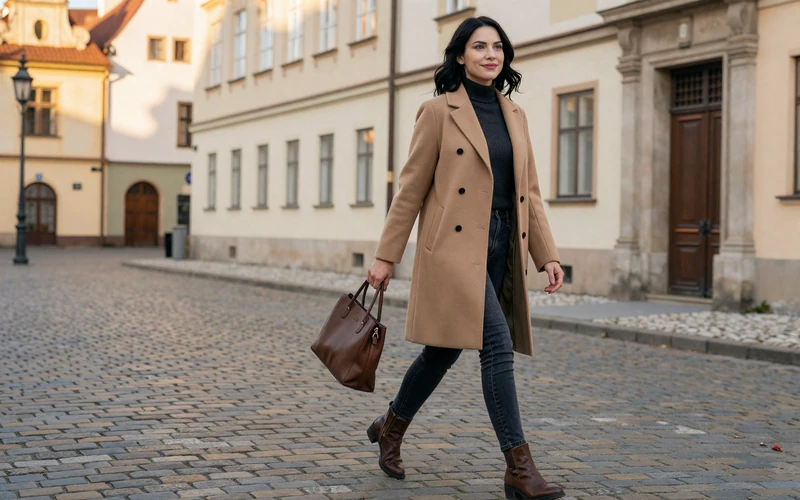
Polish women, for instance, are known across Europe for blending Western fashion trends with a distinctly feminine touch - a fitted dress with heels for a Tuesday lunch, a structured blazer paired with a silk scarf for grocery shopping. The key is that Slavic fashion isn't about logos or expensive brands. It's about fit, fabric quality, and attention to detail. A well-tailored $40 dress worn with confidence will always outperform a $400 designer piece that doesn't fit properly.
Eastern Europe's four distinct seasons - harsh winters, warm summers, and transitional springs and autumns - force wardrobe versatility. Slavic women master layering: lightweight knits under structured coats in winter, breathable linen dresses in summer, and leather jackets over floral prints in spring. This seasonal adaptability produces a wardrobe range that many Western women envy. It also means that when you meet a Slavic woman, she'll look equally stunning in a summer cafe and at a winter holiday dinner.
These aren't industry marketing tricks - they're practical habits practiced by millions of Eastern European women daily. Each one is simple, affordable, and backed by either tradition or science (often both):
Slavic women drink herbal teas (chamomile, linden, rosehip) throughout the day instead of relying on sugary beverages. Rosehip tea alone contains 50x more vitamin C per gram than oranges (USDA FoodData Central), making it a potent internal skin booster.
The Slavic approach treats makeup as enhancement, not transformation. A tinted moisturizer, mascara, and a natural lip shade is a complete daily look. Heavy foundation is reserved for formal events - not the morning commute.
Instead of daily blow-drying and flat-ironing, Slavic women use egg yolk masks, burdock oil treatments, and cold-water rinses to maintain hair shine and strength. Air-drying is the cultural default, not the exception.
Good posture - shoulders back, chin level, spine straight - is taught from childhood in many Slavic families. Combined with the walking-heavy lifestyle, this creates the poised, confident silhouette that Western men frequently notice first.
Slavic women are known for a particular kind of warmth - a genuine smile that reaches the eyes. This isn't a beauty product; it's a cultural communication style rooted in sincerity. It's also universally the most attractive facial expression, according to a 2025 University of Aberdeen study on facial attractiveness.
Weekly banya visits, evening skincare rituals, and seasonal wardrobe preparation aren't indulgences - they're expressions of self-respect. Slavic women view caring for their appearance as a form of personal discipline, not vanity.
Rather than importing exotic superfoods, Slavic women rely on what grows nearby: berries in summer, root vegetables in winter, fresh greens in spring. This ensures peak nutrient density and supports the gut-skin connection that keeps complexions clear year-round.
Slavic women beauty is the product of centuries-old traditions meeting everyday discipline. Natural skincare ingredients like chamomile and honey, probiotic-rich diets built around fermented foods, active lifestyles in walkable cities, and a fashion sense that values femininity and fit over brands and trends - these are the real secrets. Genetics play a role, but lifestyle is the multiplier. The women you'll meet on verified Slavic dating platforms embody this combination: naturally radiant, genuinely confident, and effortlessly elegant in every season.
✓ Verified
Sofia, Bulgaria
 ✓ Verified
Gdansk, Poland
 ✓ Verified
Kyiv, Ukraine
 ✓ Verified
Novosibirsk, Russia
 ✓ Verified
Brno, Czech Republic
 ✓ Verified
Minsk, Belarus
 ✓ Verified
Bucharest, Romania
 ✓ Verified
Bratislava, Slovakia
Slavic women beauty results from a combination of genetic diversity across Eastern Europe and deeply rooted lifestyle habits. Centuries of cultural mixing along major European trade routes produced diverse physical features - high cheekbones, varied eye colors, and naturally full lips. Beyond genetics, daily practices like herbal skincare, probiotic-rich diets, and active outdoor lifestyles create the radiant, healthy appearance that distinguishes Slavic women. A 2025 European Dermatology Forum survey found that 62% of Eastern European women use natural ingredients in their daily skincare - a tradition, not a trend.
Most Slavic women follow a nature-based skincare routine that includes chamomile or linden flower toners, raw honey face masks (1-2 times per week), cold water rinsing after cleansing, and burdock or castor oil for hair treatments. Weekly banya (steam bath) sessions are common in Russia, Ukraine, and Belarus. Makeup is typically minimal - tinted moisturizer, mascara, and a natural lip shade for daily wear. The philosophy centers on maintaining healthy skin rather than covering imperfections.
Several factors contribute to graceful aging among Slavic women: lower rates of excessive UV exposure compared to southern climates, early adoption of skincare routines (starting 3.4 years earlier than Western European women, per Eurostat 2025), antioxidant-rich diets heavy in berries and fermented vegetables, and regular steam-bath use that promotes collagen production. Cultural emphasis on staying active through walking and outdoor activities also maintains muscle tone and posture well into middle age.
Diet is arguably the most important factor. Eastern European cuisine emphasizes fermented foods (kefir, sauerkraut, pickled vegetables, Bulgarian yogurt) that support gut microbiome diversity - directly linked to clearer skin. A 2025 meta-analysis in the European Journal of Nutrition found daily probiotic intake reduces inflammatory acne by 34% and improves skin hydration by 22%. Seasonal eating ensures peak nutrient density: berries and fresh greens in summer, root vegetables and soups rich in vitamins A and K in winter.
Generally, no. The dominant Slavic beauty philosophy is "less is more." Daily makeup typically consists of a light moisturizer or BB cream, mascara, and a natural lip shade. Heavy foundation and contouring are reserved for formal occasions like weddings or galas. This minimal approach isn't about being low-effort - it reflects a cultural belief that healthy, well-maintained skin is more attractive than layers of coverage. Investment goes into skincare routines and diet rather than cosmetic products.