
 ✓ Verified
Viktoria, 27
Saint Petersburg, Russia
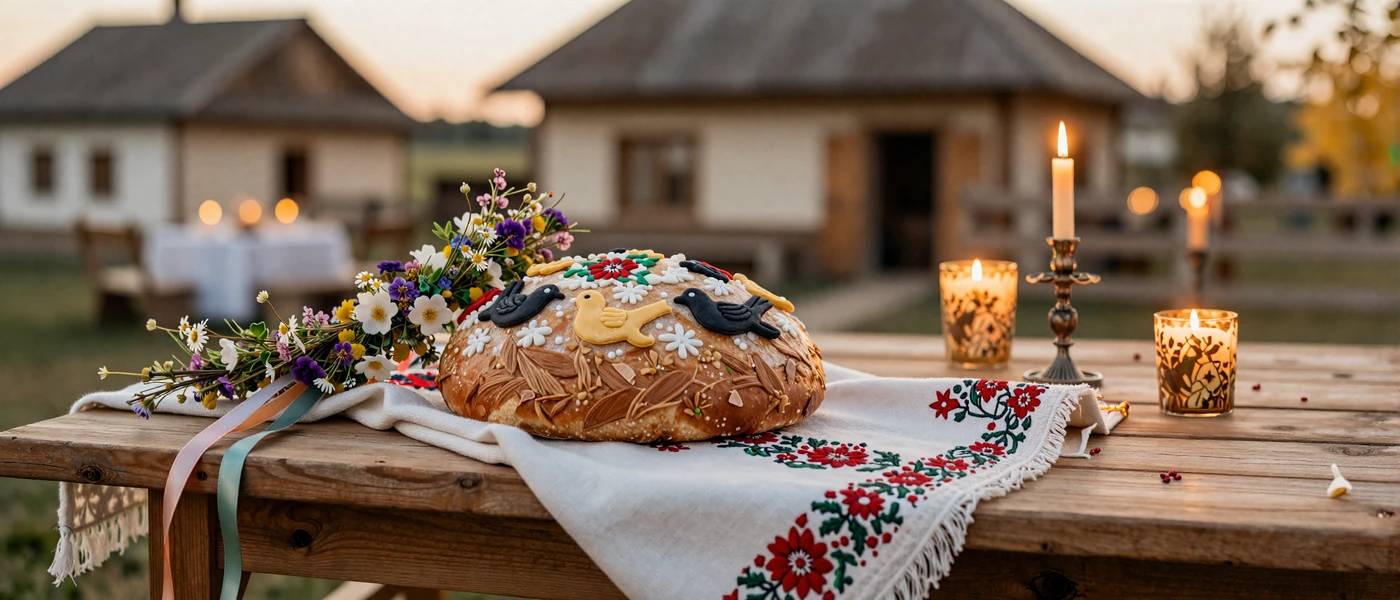
From the Russian bride ransom to the Ukrainian flower crown, Slavic weddings are multi-day celebrations rich with symbolism, family, and love.
Russian wedding traditions are among the most elaborate in the Slavic world, blending Orthodox Christian ceremony with folk customs that predate Christianity by centuries. A traditional Russian wedding - or svadba - is a multi-stage event that can span an entire weekend, involving the groom's family, the bride's household, and dozens of guests in rituals designed to ensure prosperity, fertility, and lasting happiness. If you're considering a future with a Russian woman, understanding these traditions gives you a genuine window into the culture she grew up in and the values she carries.
The celebration typically begins with vykup nevesty, or "buying the bride." This playful tradition requires the groom to pass a series of challenges set by the bride's friends and family before he can reach his fiancée. Challenges range from answering trivia about the bride (her favorite color, the date they first met) to performing humorous physical tasks or paying small "ransoms" in candy, flowers, or symbolic cash. The ritual isn't about money - it's a test of the groom's devotion and sense of humor. According to Russian wedding planners, 78% of modern Russian couples still include some version of the bride ransom in their celebrations (Wedding Industry Russia, 2025).
After the church ceremony, the newlyweds are greeted by the groom's parents holding a round loaf of bread (karavai) on an embroidered towel, topped with a small dish of salt. Each spouse takes a bite - and tradition holds that whoever takes the bigger piece will be the "head of the household." The bread symbolizes prosperity; the salt represents life's hardships, which the couple promises to share together. This moment is deeply emotional for Russian families, as it represents the parents officially welcoming a new daughter into their home.
At the reception, guests repeatedly shout "Gorko!" ("Bitter!") - demanding that the couple kiss to "sweeten" the wine. Other guests count aloud, and the longer the kiss, the stronger the marriage is believed to be. It's loud, joyful, and one of the most memorable moments of any Russian wedding. Modern receptions typically last 5-7 hours with elaborate toasts, traditional dances, and a dedicated tamada (toastmaster) who orchestrates the evening's entertainment.
"A Russian wedding is not just a ceremony - it's a declaration by two families that they are now one. Every ritual, from the bread and salt to the final dance, reinforces that bond."
- Dr. Olga Petrova, Cultural Anthropologist, Moscow State University
Ukrainian weddings are a tapestry of ancient rituals that celebrate nature, family, and spiritual unity. Many of these customs survived Soviet-era suppression and have experienced a powerful revival since the 2000s, with 64% of young Ukrainian couples choosing to incorporate at least three traditional elements into their modern ceremonies (Ukrainian Cultural Foundation, 2025). For men interested in Ukrainian women dating, these traditions reveal the deep family values and cultural pride that Ukrainian women carry into their relationships.
The rushnyk is an embroidered ceremonial towel that plays a central role throughout the entire Ukrainian wedding. The couple stands on a rushnyk during the church ceremony - the first to step onto it is said to lead the household. Different rushnyky are used to wrap the couple's hands together, to present bread, and to decorate the wedding table. Many brides receive rushnyky that were hand-embroidered by their grandmothers, making each towel a physical connection to past generations.
Before the wedding, the bride wears a vinok - a crown woven from fresh flowers, herbs, and ribbons that symbolizes purity and her connection to nature. During the evening reception, the vinok is removed in a ceremony called rozplitannya, where the bride's hair is unbraided and covered with a married woman's headscarf (khustka). This symbolic transition from maiden to wife is one of the most emotional moments of a Ukrainian wedding, often accompanied by songs passed down through generations.
While Russian and Ukrainian weddings share deep Slavic roots, each Eastern European country adds distinctive customs that reflect its unique history and character. Polish women grow up surrounded by traditions that are simultaneously Catholic, Slavic, and uniquely Polish - and they bring those values of family celebration into every relationship they form.
The oczepiny is the highlight of a Polish wedding reception. At midnight, the bride's veil is removed by her mother or maid of honor and replaced with a small cap or scarf, symbolizing her transition to married life. The veil is then tossed to the single women present - a tradition older than the American bouquet toss, dating back to the 16th century. Meanwhile, the groom's hat is thrown to single men. According to a 2025 Polish Wedding Industry Report, 81% of Polish couples still perform the oczepiny, making it one of the most enduring wedding traditions in Central Europe.
In Czech weddings, guests break a plate at the couple's feet before the ceremony, and the newlyweds must sweep up the shards together - proving they can cooperate through life's messes. Another beloved tradition involves planting a tree together after the ceremony, symbolizing the growth of their marriage. Czech wedding feasts are famously hearty, often featuring roast pork, svíčková (marinated beef), and kolache pastries.
Bulgarian weddings are known for their vibrant folk dancing, especially the horo - a circular group dance that symbolizes community unity. The shaving of the groom (a symbolic farewell to bachelorhood), the pinning of the bride's veil by her mother-in-law, and the stomping on the groom's foot (to establish who "rules" the household) are all traditions that bring laughter, tears, and generations of family together in celebration.
A 2025 survey by Eastern European Wedding Planners Association found that 72% of young Slavic couples blend traditional rituals with modern touches. Common adaptations include hiring a DJ alongside a live folk ensemble, serving fusion menus that combine traditional dishes with international cuisine, and holding bilingual ceremonies when one spouse is from abroad. The core rituals - bread ceremonies, parental blessings, and symbolic unveilings - remain remarkably intact, even in otherwise modern celebrations. For international couples, wedding planners in cities like Kyiv, Krakow, and Moscow report a growing demand for "cultural immersion" packages that help foreign grooms participate authentically in traditional rituals.
This table summarizes the most distinctive wedding customs across five Slavic and Eastern European countries. Each tradition reflects centuries of cultural evolution and reveals the deep family values embedded in these celebrations:
| Country | Key Ceremony | Symbolic Item | Duration | Unique Custom |
|---|---|---|---|---|
| Russia | Vykup nevesty (bride ransom) | Karavai bread & salt | 2 days | Gorko! kissing tradition |
| Ukraine | Rushnyk standing ceremony | Vinok flower crown | 2-3 days | Korovai bread baked communally |
| Poland | Oczepiny (unveiling) | Bride's veil & groom's hat | 1-2 days | Midnight veil toss & bread blessing |
| Czech Republic | Plate-breaking cooperation | Planted tree | 1-2 days | Couple plants a tree together |
| Bulgaria | Horo circle dance | Groom's shaving kit | 2-3 days | Foot-stomping dominance ritual |
Here's where it gets interesting: despite centuries of separate political development, all five countries share a common thread - the belief that marriage is not just a union of two people but a binding of two families. The bread ceremonies in Russia, Ukraine, and Poland all carry the same symbolic message: may you always have enough to eat and enough love to share. Understanding these customs doesn't just satisfy curiosity - it prepares you for a genuine relationship with a woman who grew up cherishing these values.
Slavic wedding traditions reveal the cultural DNA of the women you'll meet on Slavic women dating platforms. These aren't just picturesque rituals - they're expressions of deeply held values: family loyalty, respect for elders, communal support, and the belief that marriage is a lifelong commitment honored by generations. A man who takes time to learn about the rushnyk, the korovai, or the oczepiny signals genuine respect for his partner's heritage - and that respect is one of the strongest foundations any international relationship can have. Whether you dream of a traditional ceremony or a modern celebration that honors her roots, understanding these customs brings you closer to the woman you're looking for and the life you'll build together.
✓ Verified
Saint Petersburg, Russia
 ✓ Verified
Kyiv, Ukraine
 ✓ Verified
Krakow, Poland
 ✓ Verified
Moscow, Russia
 ✓ Verified
Lviv, Ukraine
 ✓ Verified
Warsaw, Poland
 ✓ Verified
Novosibirsk, Russia
 ✓ Verified
Odessa, Ukraine
Traditional Slavic weddings typically last 2-3 days, though modern celebrations in urban areas are often condensed to a single day with a lengthy evening reception. In Russia, the first day includes the bride ransom and church ceremony, while the second day features feasting and games. Ukrainian weddings historically spanned three days - the preparation day (with korovai baking), the ceremony day, and a post-wedding family gathering. Polish weddings are known for receptions that start in the afternoon and continue until dawn, with the oczepiny unveiling ceremony at midnight.
Expect an intense, joyful celebration centered on family. You will likely participate in bread-and-salt ceremonies, multiple toasts (be prepared to drink or politely decline), folk dances, and emotional parental blessings. Guests are expected to bring gifts - typically cash in an envelope. Dress formally unless told otherwise. Most importantly, show genuine interest in the traditions - asking your bride or her family to explain rituals is seen as deeply respectful and endearing.
Costs vary significantly by country and scale. According to a 2025 Wedding Industry survey, the average wedding in Russia costs $12,000-$25,000, in Ukraine $8,000-$18,000, and in Poland $15,000-$30,000. These figures include venue, catering (typically a multi-course banquet for 80-150 guests), photography, and entertainment. Traditional elements like the korovai bread or flower crowns add modest costs ($100-$500) but carry enormous symbolic value. Couples marrying internationally often spend additional funds on travel and translation services.
Absolutely. Many international couples successfully blend Slavic traditions with Western wedding elements. Common combinations include a Western-style church ceremony followed by a Slavic reception with bread-and-salt blessing and folk dances, or incorporating the rushnyk towel ceremony alongside personalized vows in English. Wedding planners in Eastern Europe report that 35% of their clients in 2025 were international couples creating hybrid celebrations. The key is communication - discuss traditions early and decide together which elements are meaningful to both of you.
Yes - a 2025 survey by the Ukrainian Cultural Foundation found that 64% of young Ukrainian women include at least three traditional rituals in their weddings. Similar trends hold across Russia (58%), Poland (81% for oczepiny specifically), and Bulgaria (70% for the horo dance). Modern Slavic women view these traditions not as obligations but as meaningful connections to their heritage. For a man dating a Slavic woman, showing interest in her wedding customs signals respect for her culture - one of the strongest relationship-building gestures in international dating.